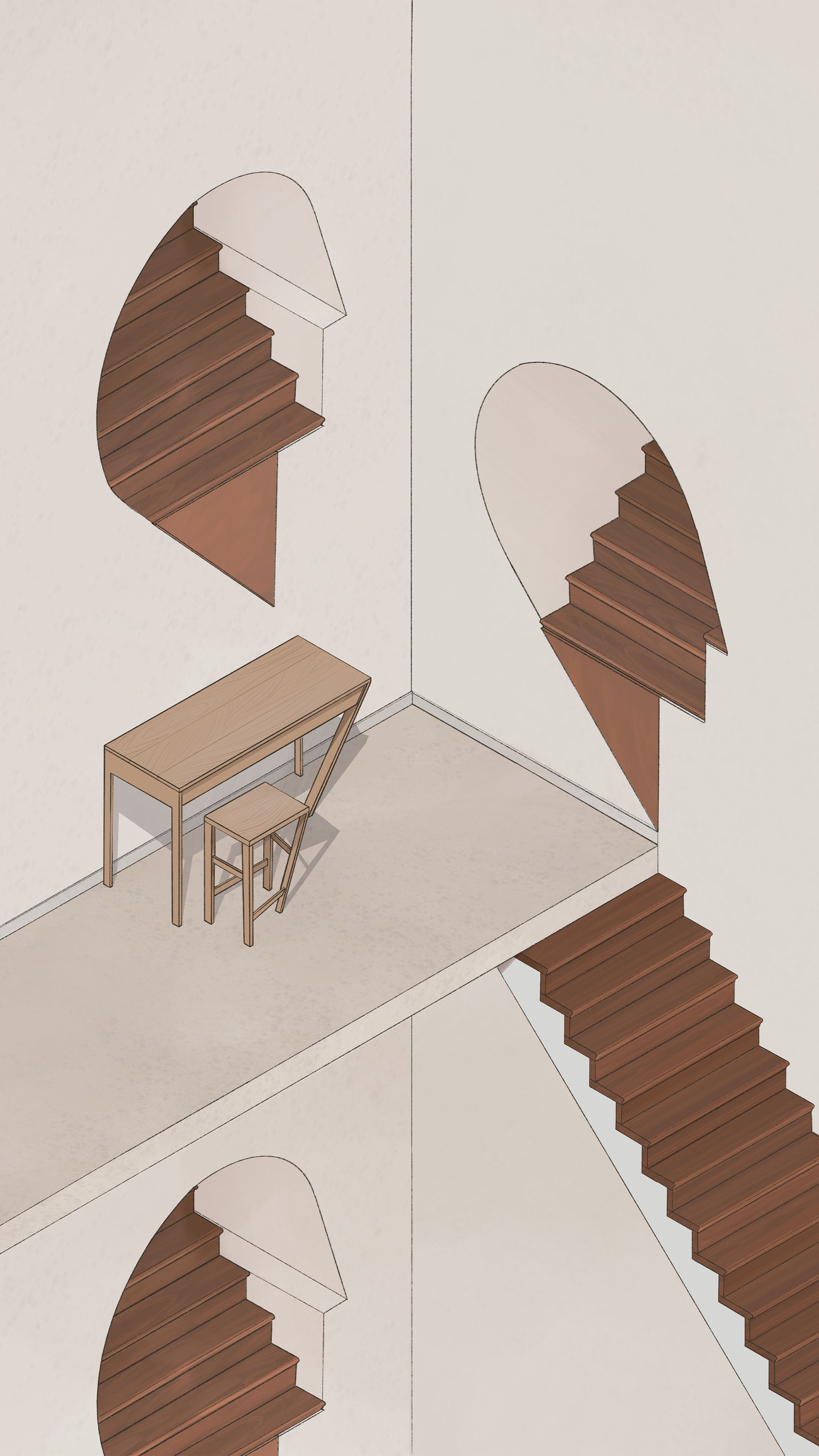
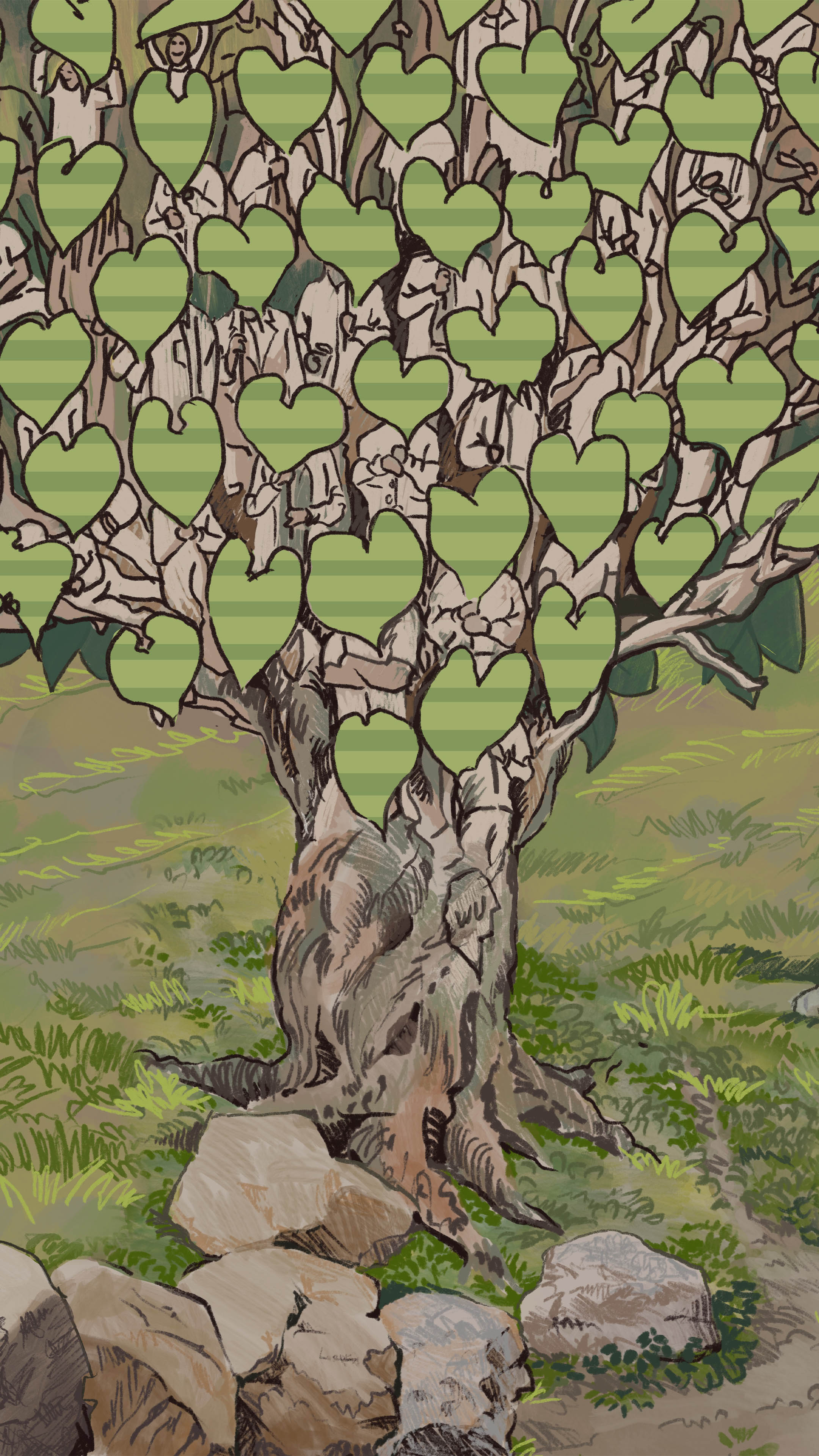
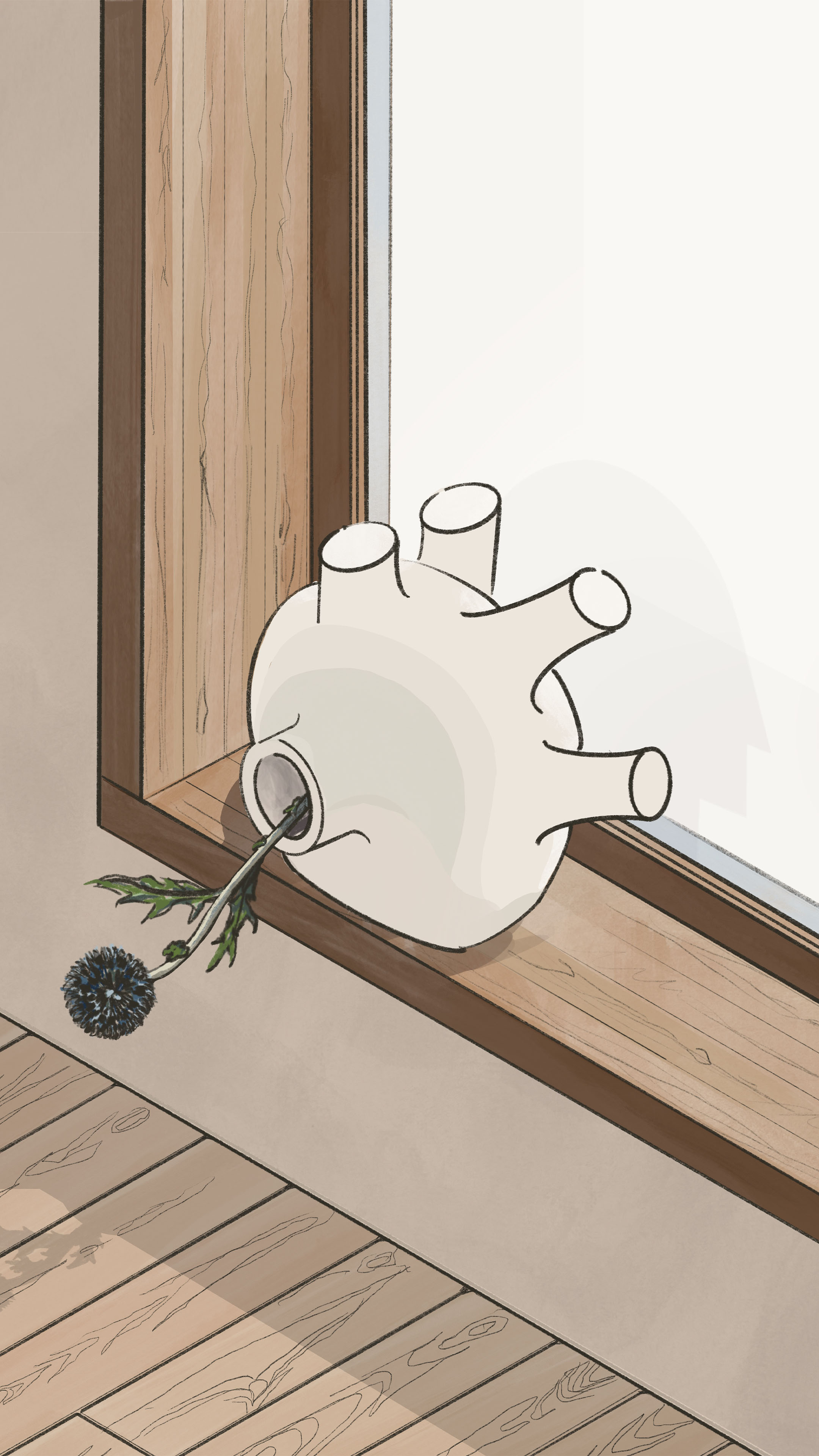

By Martin Lenclos
My meditation practice was a return to the drawing board, in some ways.
I was first drawn to contemplative traditions around the age of 7 or 8, though I didn’t recognize it as such until much later. My father was a designer, not a full-time artist, and he made art on weekends and during our long summer vacations. I would sit with him and paint, and I realized only recently that it was, for him, a mindfulness practice.
He taught me how to paint—to look at what I was seeing and translate what I was feeling onto the painting. I can see now how that experience has shaped my perception both about the nature of creative practice and about the nature of mind. Over time, my painting became less about communicating a specific idea and more about seeing clearly.
Outside of that, I became interested in meditation about 15 years ago, while reading texts on near-death experiences following the passing of my mother. It was a practice and curiosity that grew organically, and it was really rooted in a desire to slow down. At the time, I was working in start-ups and recognized that I was not going to be able to process my emotions while also working in a high-pressure environment. So, after a decade in tech, I quit.
It wasn’t until the COVID-19 lockdowns that I truly started to meditate. By that, I mean engaging in the practice without also needing to be painting or drawing. That’s when I started to meditate without also needing a tool or some sort of output.
In my work, I’m no longer interested in creating solutions or products.
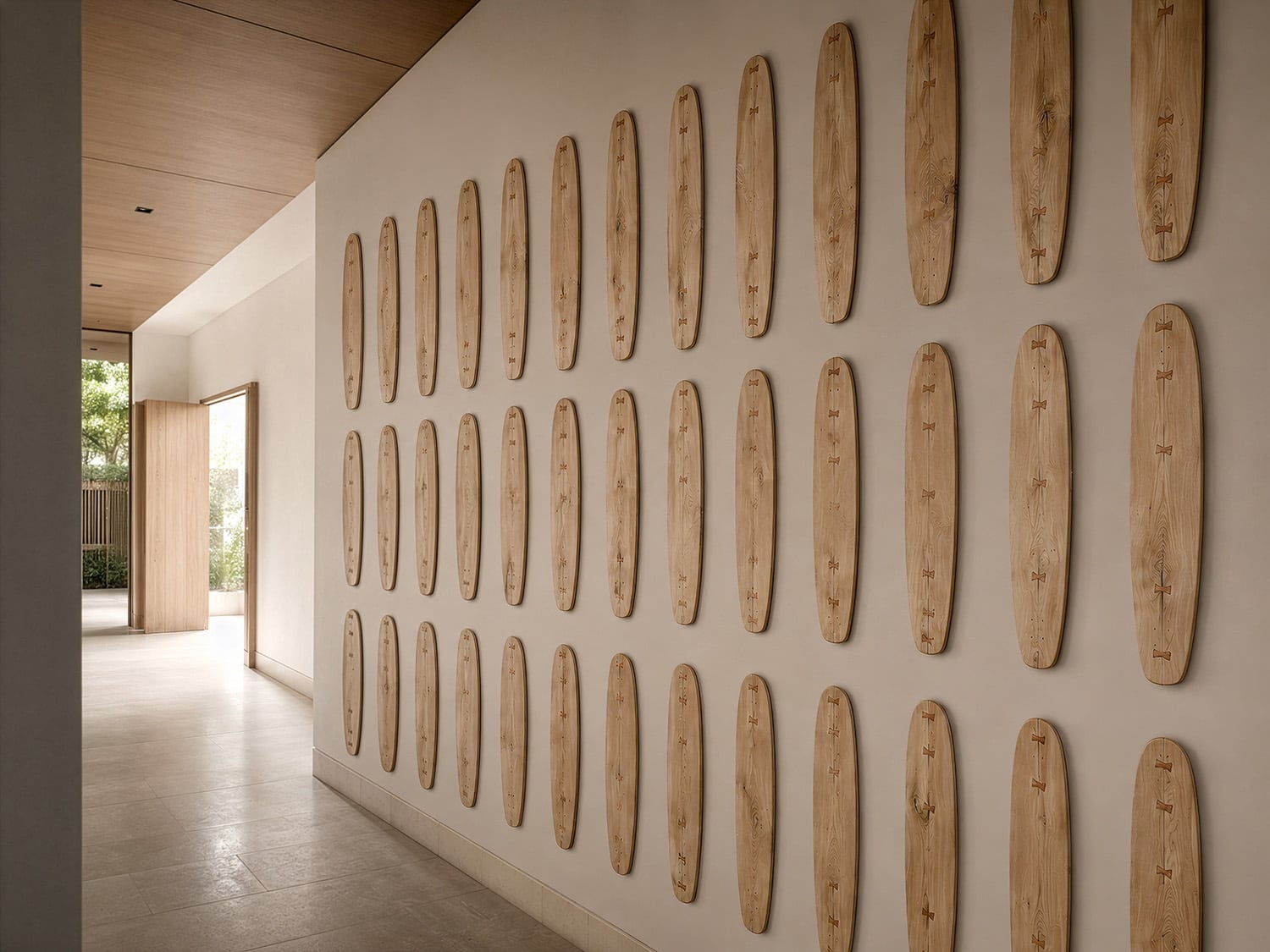
I’m much more focused on exploring gestures and intentionality instead of utility. I think a lot about negation, or the opposite of what we think art and design have to be.
I want to create forms that function more like questions than statements, and create interventions that pull people out of their comfort zone while simultaneously allowing me to observe and learn from their reactions.
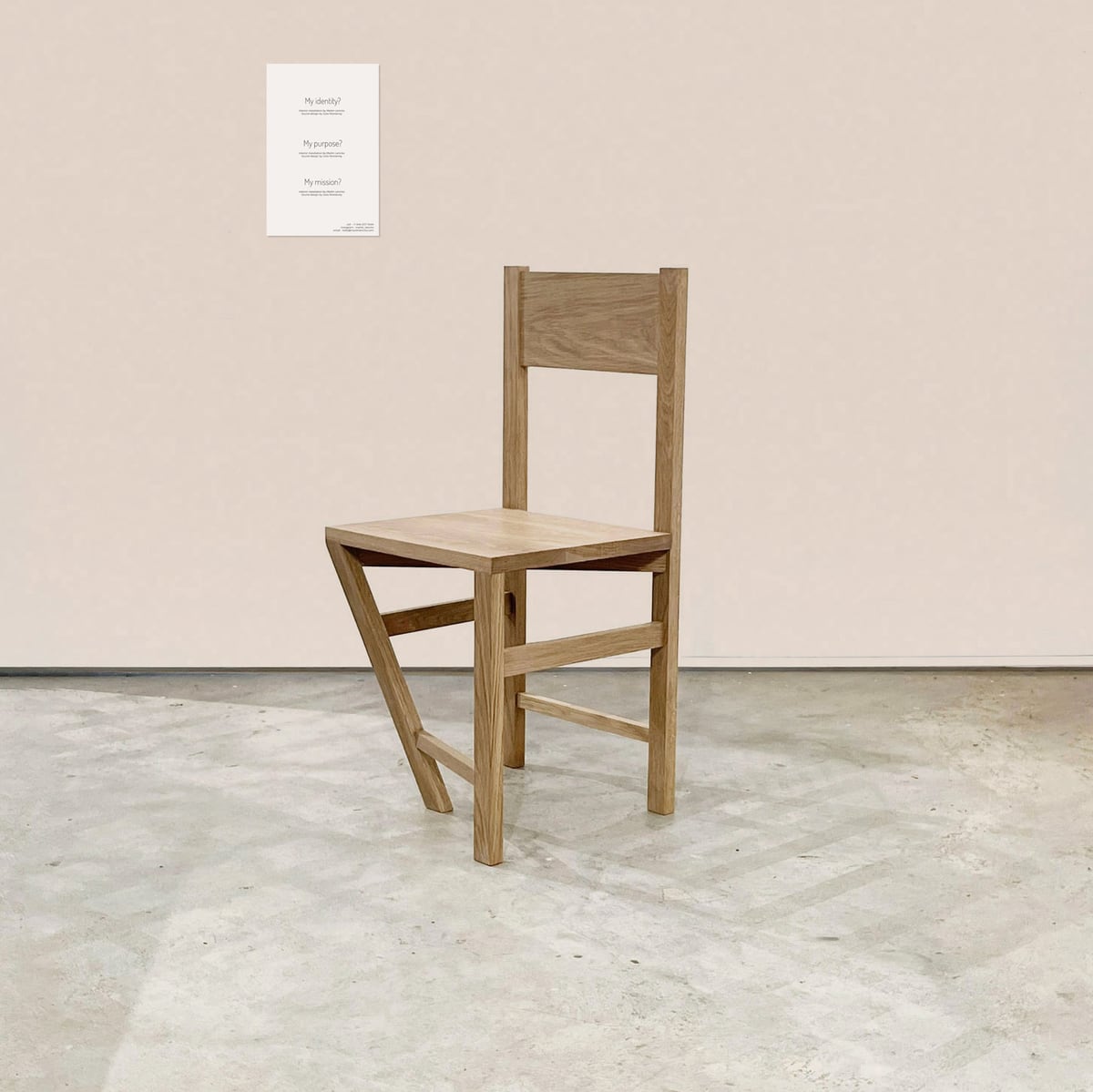
My favorite example of this is a piece called Paradox of the Typical Atypical Chair, No. 1, which is a chair that’s meant to look broken yet is functional and can support over 300 pounds. I showed it at a furniture fair and was able to interact with people as they worriedly asked if it had been damaged in transport. We’d talk about it and I would ultimately tell them that it’s engineered to be that way.
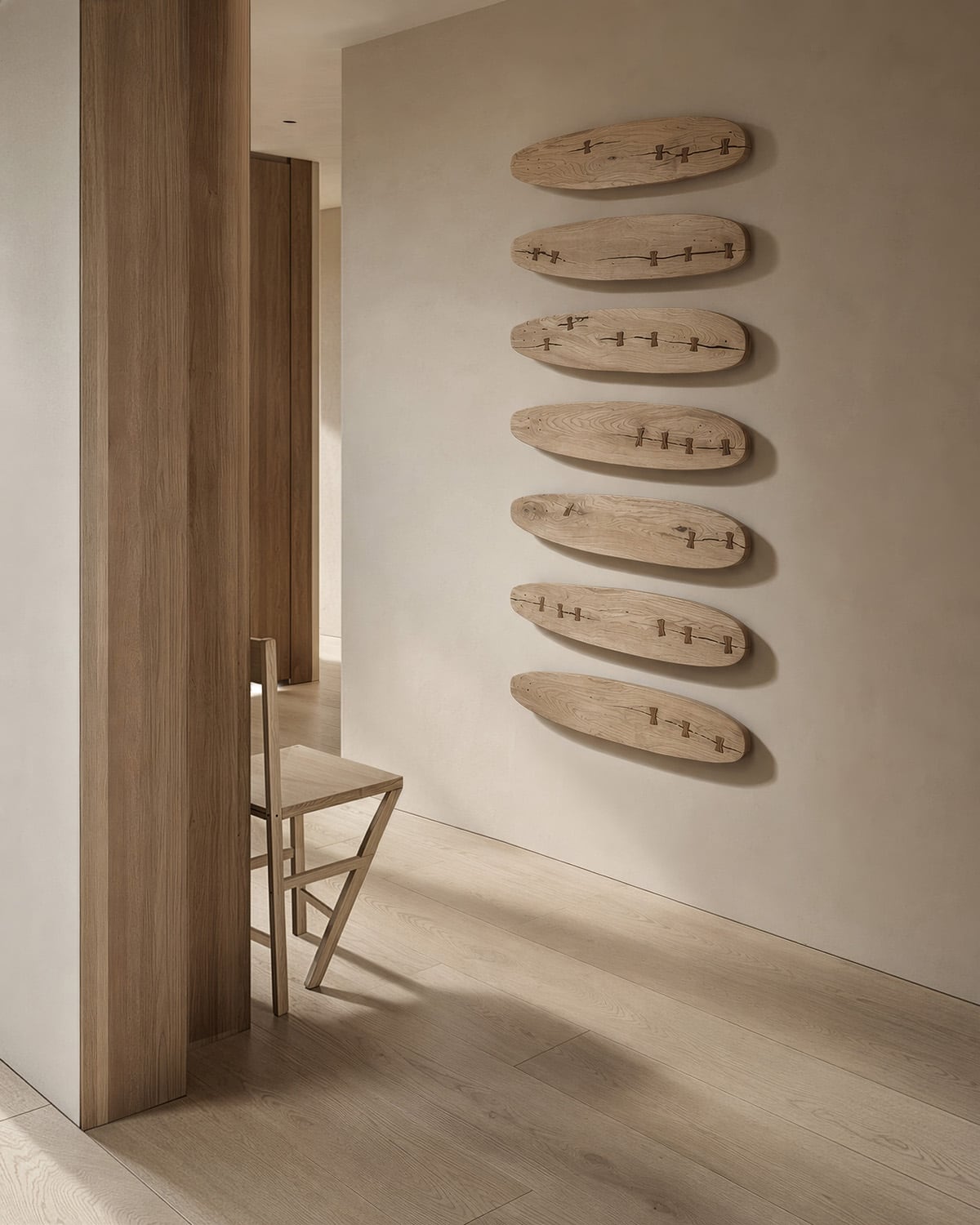
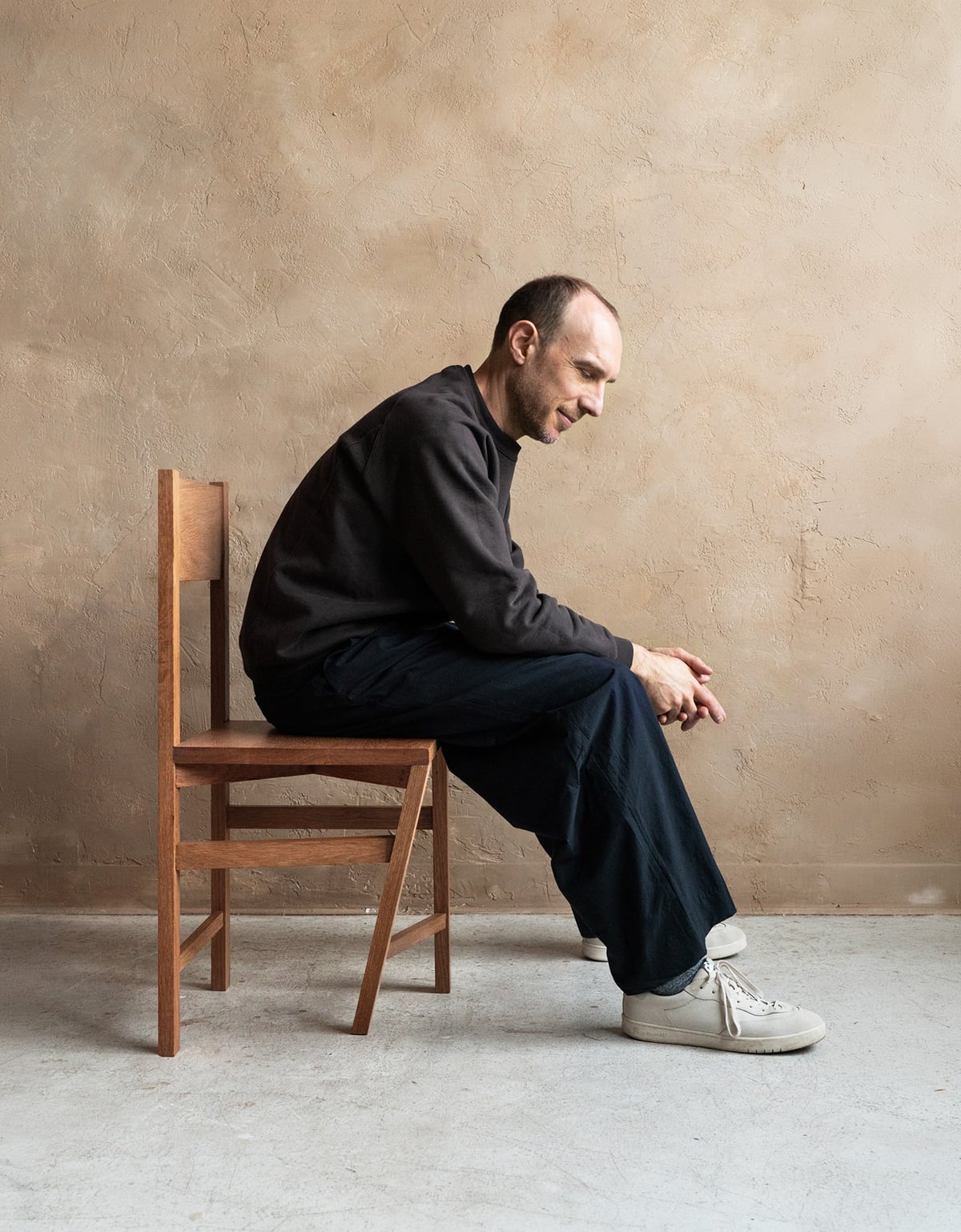
I translate this idea into field tests that function as an art practice. In everyday events, I capture the moments where I choose to perceive things differently. Through this, instead of seeing the world as causing or containing an event, my perception shifts to my mind being the cause and the world happening in my mind. There’s no separation between the world and the mind, which is the core premise of nonduality.
My interventions are similar to certain Surrealist and Dada strategies: using dislocation, absurdity, ordinary objects, and unstable meanings to challenge habit, logic, and the first reading of reality. It’s not in-your-face or radical, but it works indirectly, asking viewers to pause before meaning settles too quickly. And, importantly, it’s presented as a game or an experiment. I don’t want to be telling anyone what the truth about reality is.
Waking Up has been a meaningful companion to this longer inquiry. Sam’s work and the app’s multi-disciplinary, non-dogmatic approach have resonated with the part of my practice that is more interested in experimenting and testing hypotheses than in believing one thing or another.
Over time, I came to see Waking Up as more than a meditation app.
It’s a path you can take to discover more about the nature of the mind without getting distracted by metaphysical concepts and spiritual dogma. It met me at a point in my work where perception had already become central, especially the idea that perception is the first creative act.
I realized that an artist and designer can explore the mind in a way that’s just as valuable as the work of a neuroscientist or biologist. This collaboration gave me a precise context for something I had already been exploring: art and design as tools for investigating mind and consciousness. For me, that means treating perception itself as part of the material: not only what an image shows, but what it asks the viewer to notice, assume, resist, or reframe.
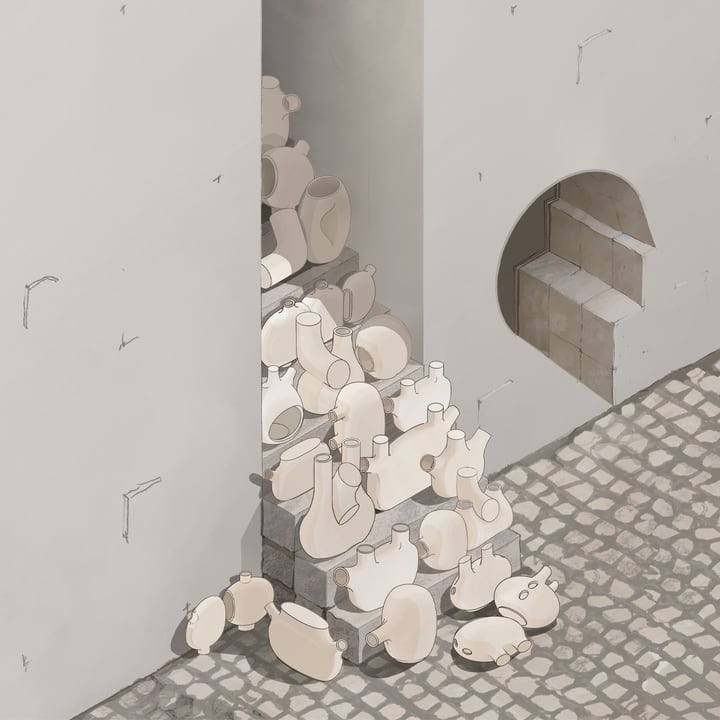
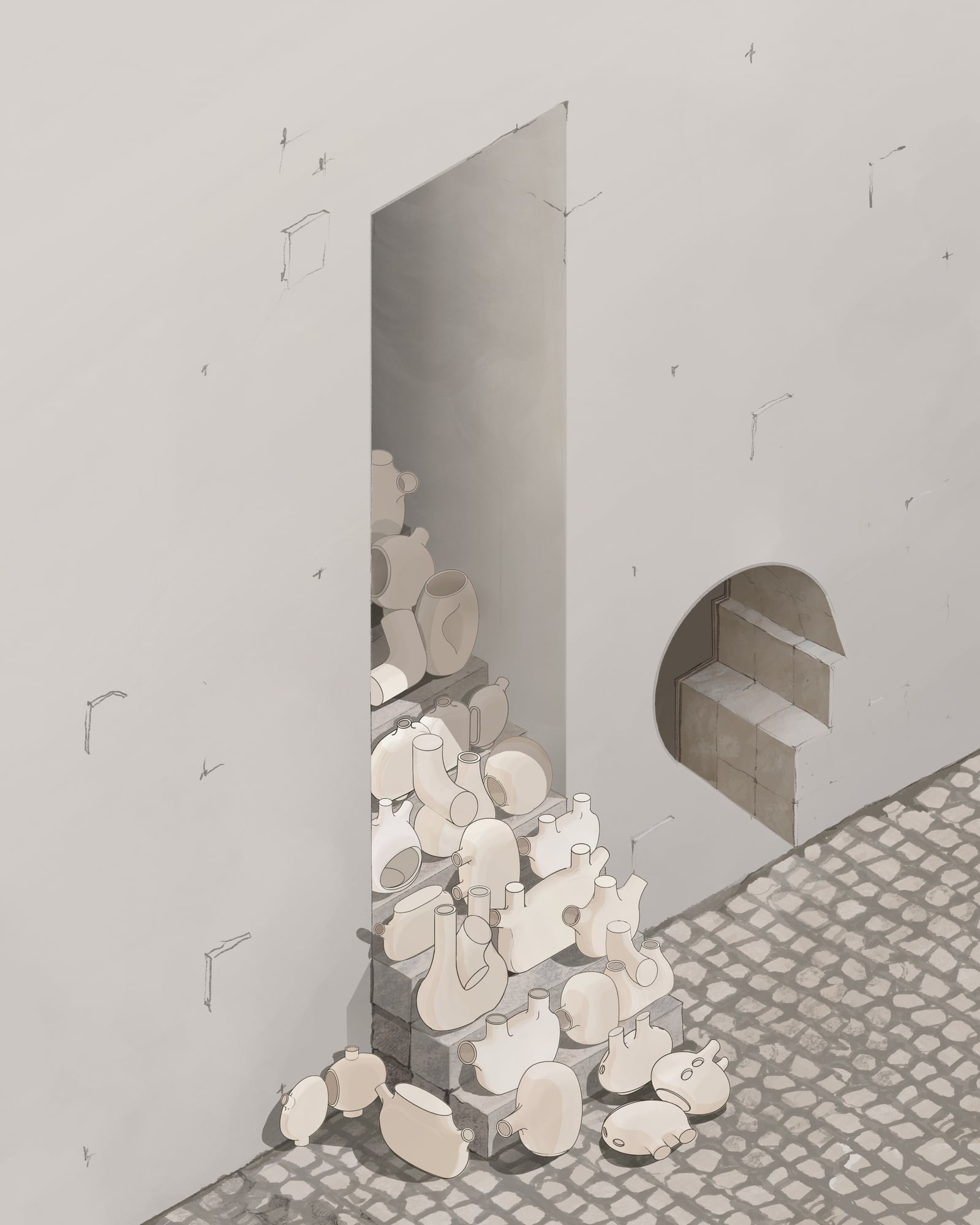
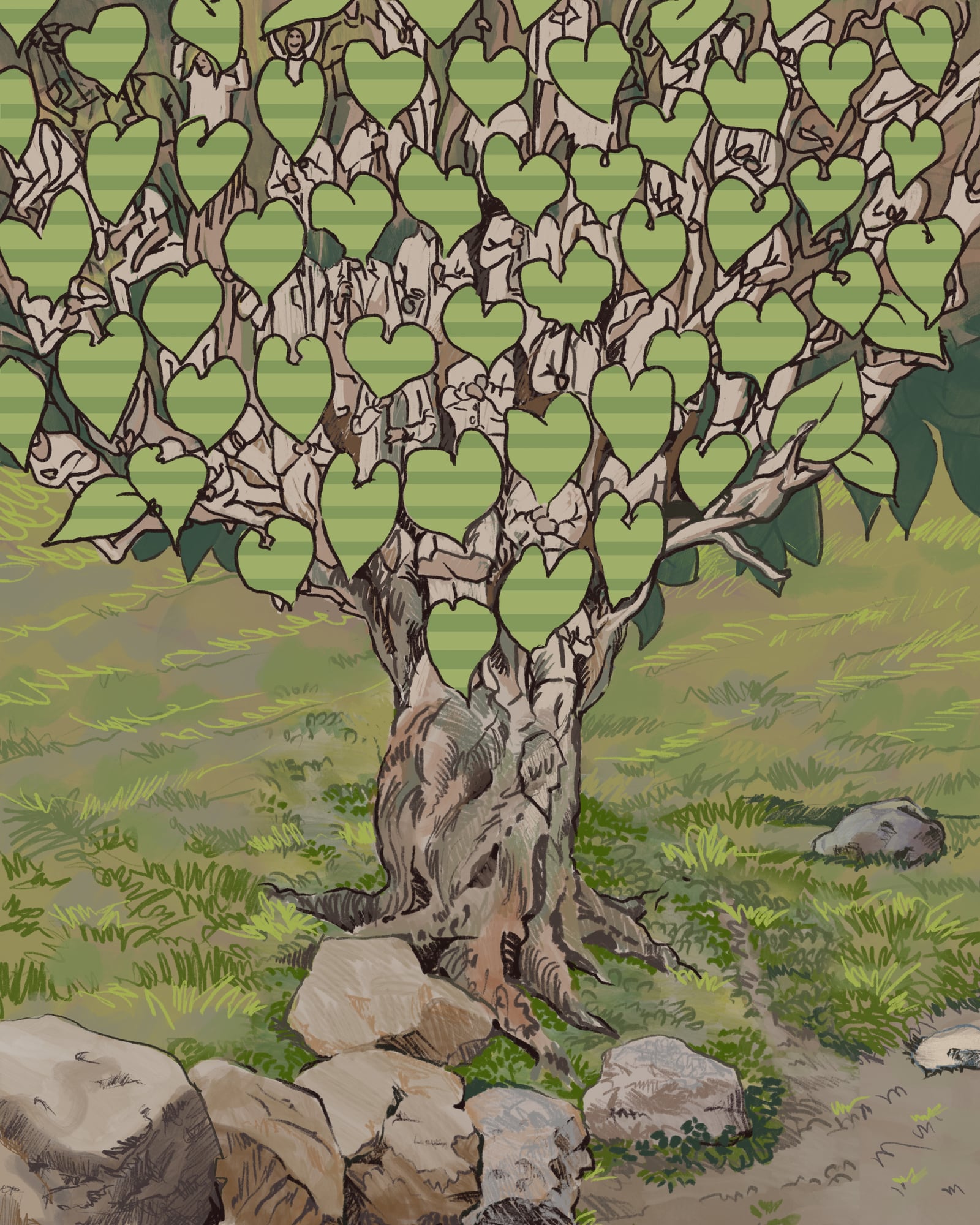
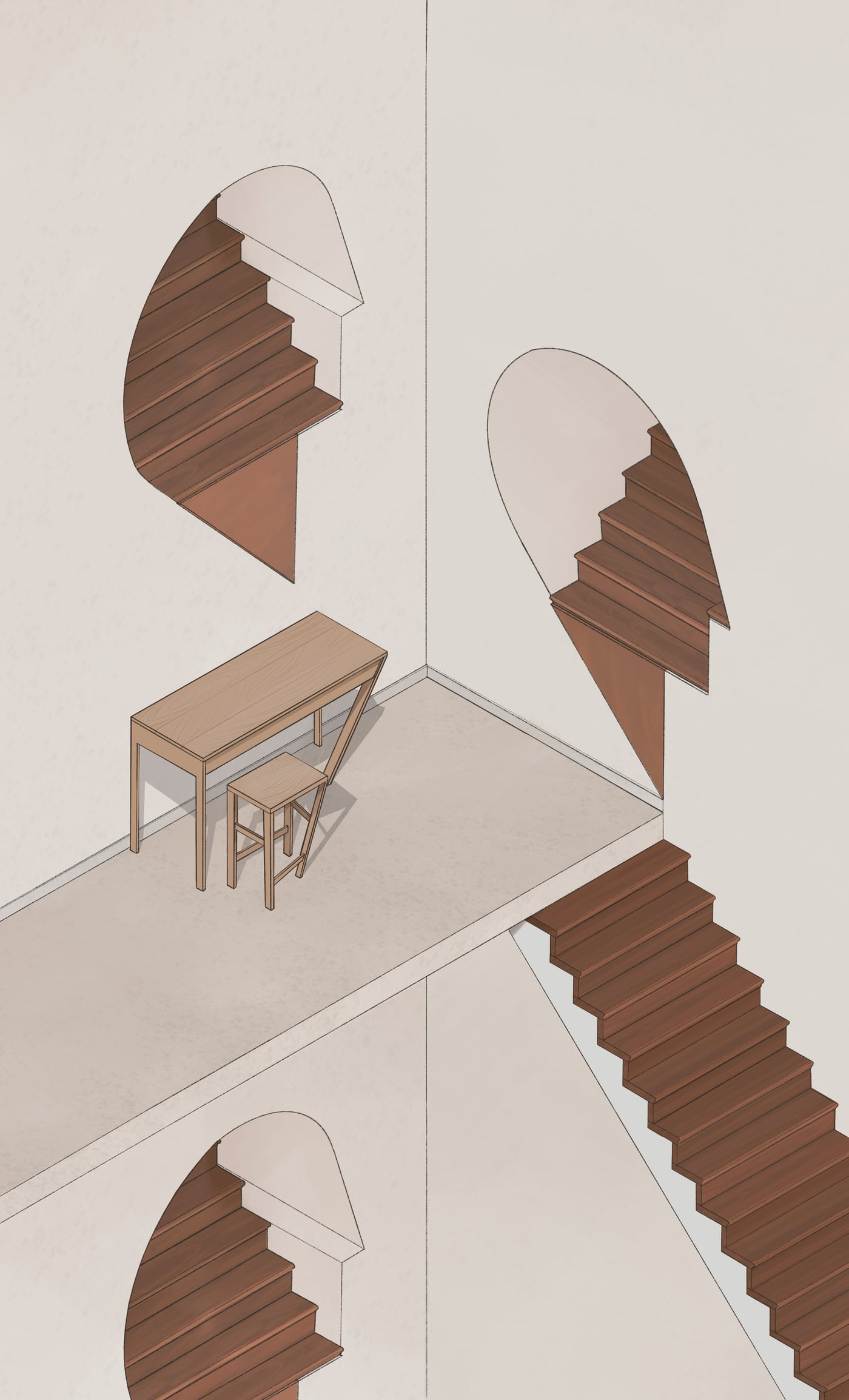
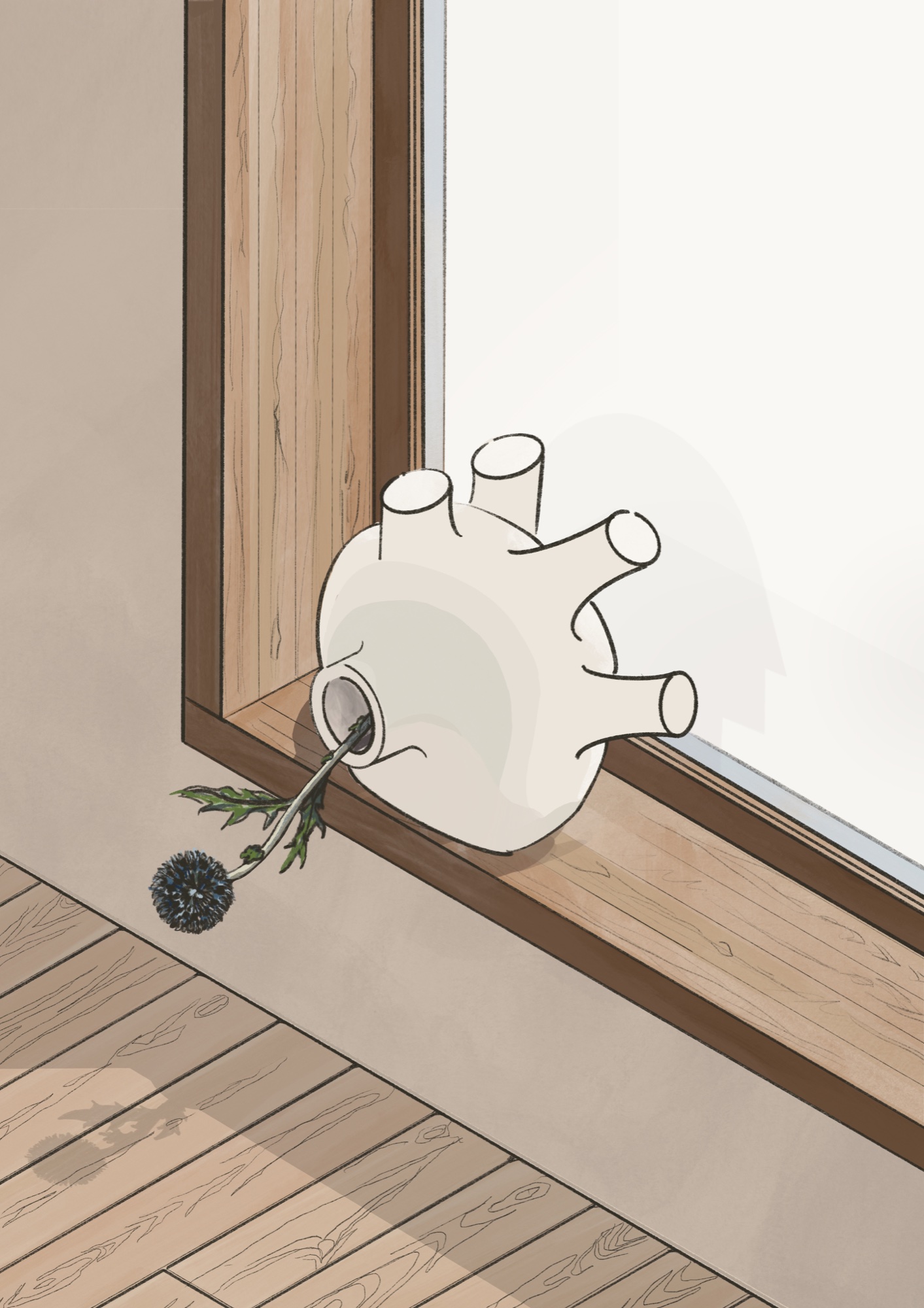
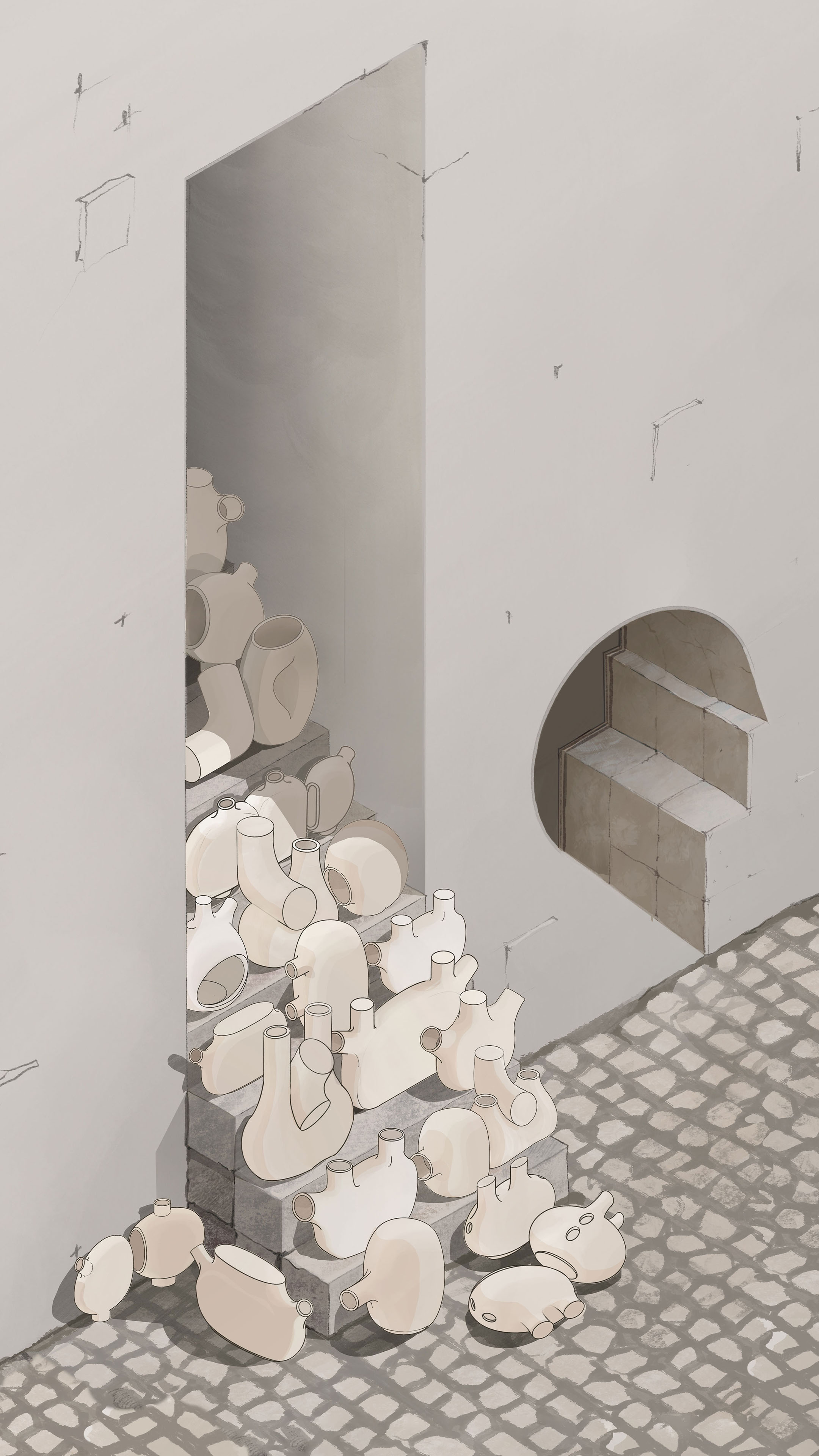
The painted images I created for Waking Up are shaped by a method I call “Design for Nothing,” which is grounded in non-attachment and a resistance to forcing meaning. With this, contemplative attention does not simply influence the subject of the images; it changes the conditions under which they are allowed to appear.

Martin Lenclos