Unraveling the Dream: Psychedelics, Awakening, and the Brain

A sweeping meditation on neuroscience, ego dissolution, and the challenge of building a culture around self-transcendence.

About the film

In The Doors of Perception (1954), Aldous Huxley wrote that the urge to transcend self-consciousness was "a principle appetite of the soul." He hoped that psychedelics would make the experience of self-transcendence more widely available, and thereby catalyze a transformation in the culture.

But experiencing ego dissolution is one thing; integrating it into ordinary life is another. And, as the misadventures of the 1960s attest, building a culture around self-transcendence is a perilous (if inspiring) endeavor.

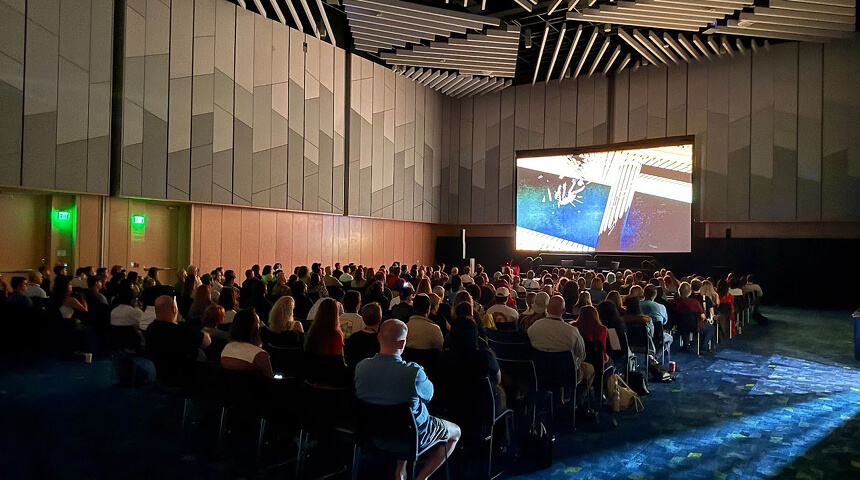
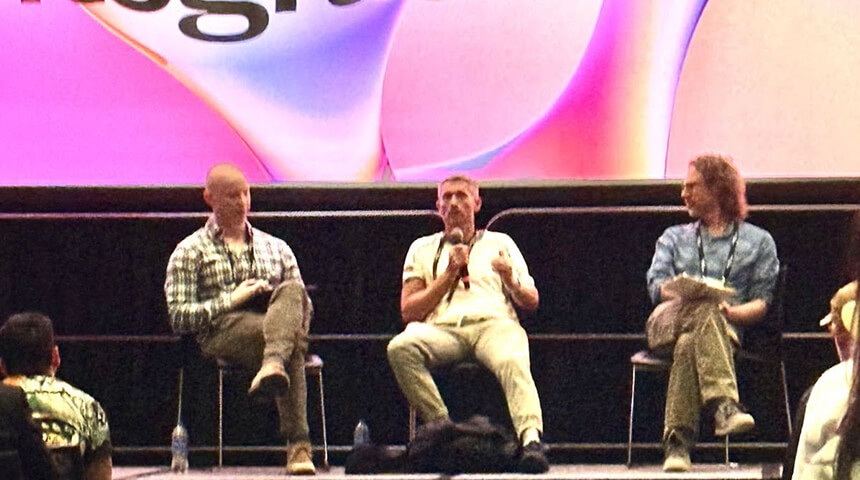
“Unraveling the Dream,” a new film presented by the Waking Up meditation app, explores whether the new science of psychedelics might shed fresh light on Huxley’s vision. Featuring original interviews with Anil Seth, Robin Carhart-Harris, and Shamil Chandaria, the film takes viewers on a sweeping journey to the frontiers of neuroscience and through the rich, turbulent history of psychedelics.

Along the way, the film explores questions like:

  • What can neuroscience tell us about how the mind constructs our sense of self and world?
  • What, if any, are the political implications of the psychedelic experience?
  • What is the difference between destroying the ego and truly transcending it?
  • How can meditation help one sustain the freedom of the psychedelic experience in the midst of ordinary life?

About the director

Jake Orthwein is a filmmaker based in Brooklyn, NY. He’s the creator of Frame Problems, a video essay channel on YouTube, and is also a long-term meditator. He can be found on X @JakeOrthwein.
About the film

In The Doors of Perception (1954), Aldous Huxley wrote that the urge to transcend self-consciousness was "a principle appetite of the soul." He hoped that psychedelics would make the experience of self-transcendence more widely available, and thereby catalyze a transformation in the culture.

But experiencing ego dissolution is one thing; integrating it into ordinary life is another. And, as the misadventures of the 1960s attest, building a culture around self-transcendence is a perilous (if inspiring) endeavor.

“Unraveling the Dream,” a new film presented by the Waking Up meditation app, explores whether the new science of psychedelics might shed fresh light on Huxley’s vision. Featuring original interviews with Anil Seth, Robin Carhart-Harris, and Shamil Chandaria, the film takes viewers on a sweeping journey to the frontiers of neuroscience and through the rich, turbulent history of psychedelics.

Along the way, the film explores questions like:

  • What can neuroscience tell us about how the mind constructs our sense of self and world?
  • What, if any, are the political implications of the psychedelic experience?
  • What is the difference between destroying the ego and truly transcending it?
  • How can meditation help one sustain the freedom of the psychedelic experience in the midst of ordinary life?

About the director

Jake Orthwein is a filmmaker based in Brooklyn, NY. He’s the creator of Frame Problems, a video essay channel on YouTube, and is also a long-term meditator. He can be found on X @JakeOrthwein.

Further Reading

Interviews

Books

  • The Immortality Key: The Secret History of the Religion with No Name

    Brian C. Muraresku

  • The Hidden Spring: A Journey to the Source of Consciousness

    Mark Solms

  • How to Change Your Mind: What the New Science of Psychedelics Teaches Us About Consciousness, Dying, Addiction, Depression, and Transcendence

    Michael Pollan

  • Being You: A New Science of Consciousness

    Anil Seth

  • Philosophy of Psychedelics

    Chris Letheby

  • The Experience Machine: How Our Minds Predict and Shape Reality

    Andy Clark

  • The Doors of Perception and Heaven and Hell

    Aldous Huxley

Behind the Scenes

Visualizing the Complexities of Consciousness

While we’ve learned many things about the brain, conscious experience is irreducibly subjective: third-person descriptions can only gesture at what it is like from the first-person point of view.

This is doubly true for the psychedelic experience.

The challenge we set for ourselves with this film was to both evoke what the psychedelic experience is like from within and to explain it from without.

For that, we used both vivid, full-color animations of two iconic trips (from Aldous Huxley’s The Doors of Perception and the Eleusinian Mysteries) and detailed motion graphics for concepts like the Entropic Brain, Predictive Processing, and the Free Energy Principle.

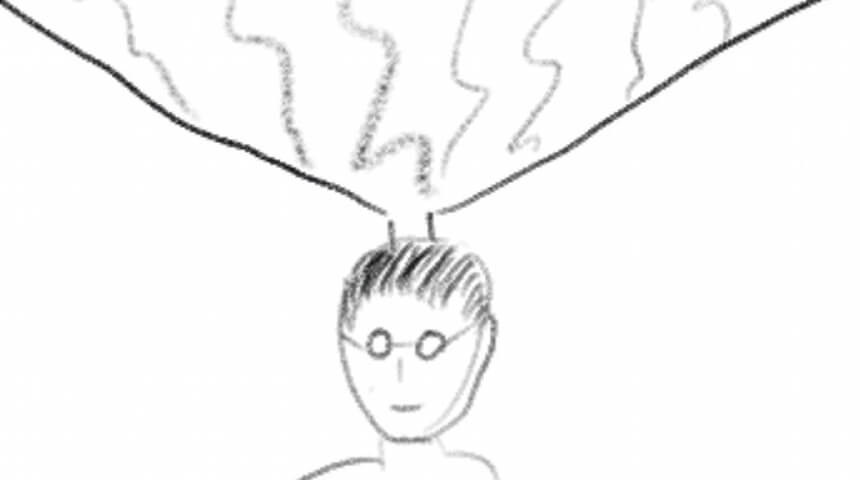
Jake’s original storyboard and the final animation of Huxley’s idea of consciousness as a “reducing valve” on “Mind at Large.”
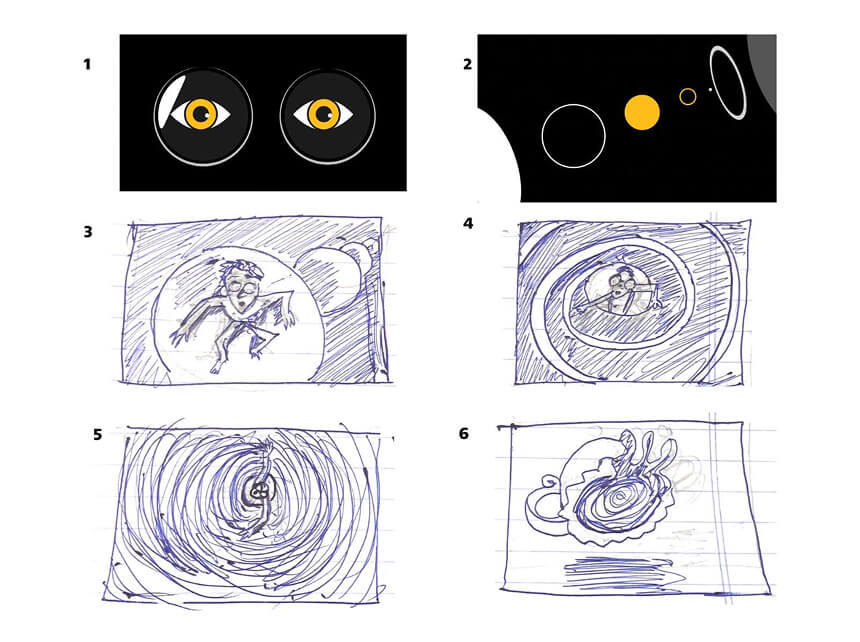
Yuval Haker’s original storyboard and final animation for Huxley’s experience of ordinary perception beginning to dismantle.
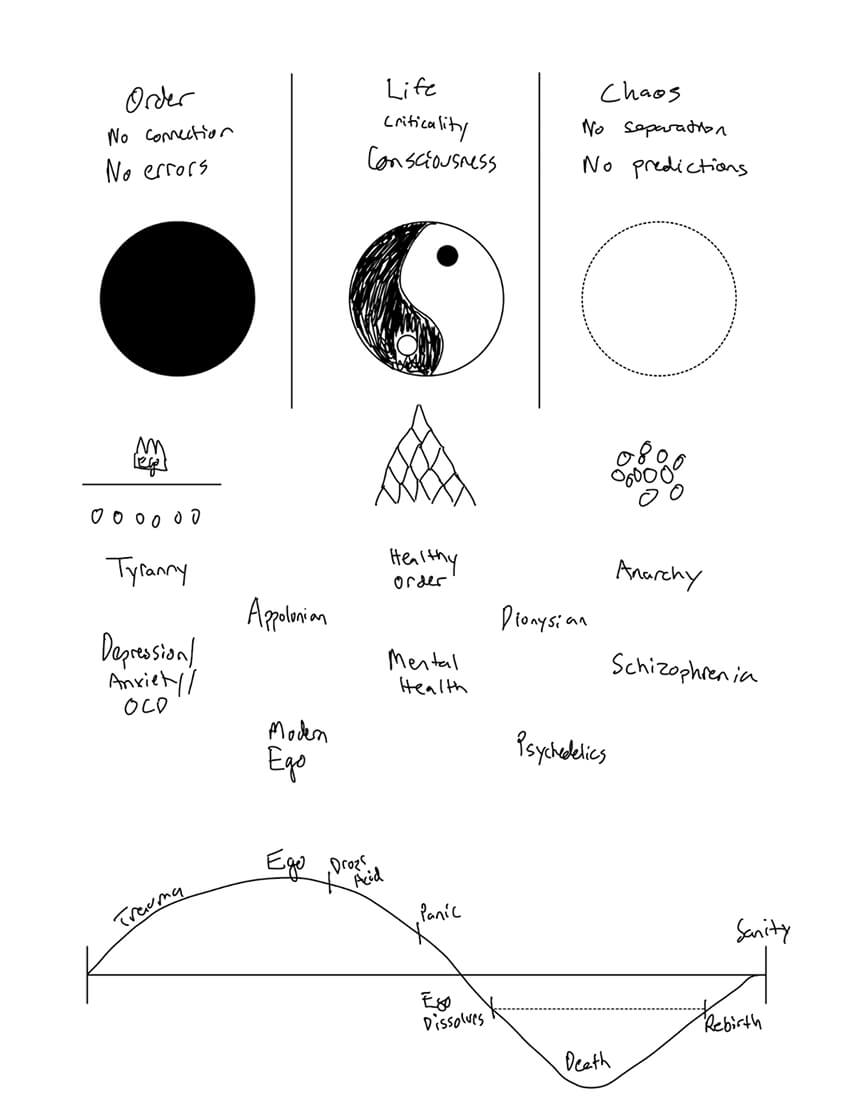
Illustrations from Guy Trefler, showing the applications of the spectrum across life, mind, and society.

About Waking Up

With over 100,000 hours of audio, Waking Up offers the greatest assortment of nondual teachings of any mindfulness app.

Since 2018, we’ve helped millions of people change the way they see the world by showing them what it means to truly be present. Bringing together contemporary teachers, scientists, and scholars, Waking Up is more than just a meditation app; it’s a resource for shaping your awareness and sharpening your mind.